The reliable difference between a genuine eco-lodge and a greenwashed one is auditability: real sustainability claims point to a named certification body with published standards, a certifier you can look up, and specifics — kilowatt systems, water sources, staffing, waste contracts — while greenwashing stops at adjectives like eco, green, and sustainable posted nowhere except the booking page. The US Federal Trade Commission's Green Guides exist for exactly this reason: environmental marketing claims must be substantiated, and vague ones are a warning sign, not a detail.
This guide gives you a five-check screening routine for lodges and hotels on active trips. It is consumer information, not legal advice, and standards vary by country — when a claim matters to your booking, verify it with the certifying body directly.
What does a credible eco-certification look like?
Three properties, all checkable in minutes. The certifier is independent of the business it certifies — not the lodge's own foundation. The standard is published: real programs post their criteria documents online, covering energy, water, waste, community, and conservation in measurable terms. And the certificate is current and specific — a certificate listing the property's name, scope, and expiry, verifiable on the certifier's public registry. Widely recognized examples in accommodation include EarthCheck, Green Key, and the Global Sustainable Tourism Council's recognized standards; regional schemes exist too. A badge with no certifier named behind it is decoration.
What are the classic greenwashing patterns?
Learn the shapes and they get easy to spot:
- The undefined adjective: eco-lodge, green stay, sustainable resort with no standard, certifier, or numbers behind it.
- The single-feature claim: linen reuse programs marketed as if the whole operation were low-impact.
- The nature photo halo: wildlife imagery implying conservation involvement the property has no documented role in.
- The offset-only pitch: carbon-neutral by purchase, with no operational reductions described.
- The unverifiable statistic: 90% of staff hired locally with no staffing numbers or community partners named.
None of these proves bad faith — but each one moves the burden of proof to the property, and a genuine operation clears that burden easily.
Which questions sort real eco-lodges from marketed ones?
Ask five, in writing, before booking. Where does your water and power come from — solar capacity, well or municipal supply? Who holds your waste contract, and is food waste composted or landfilled? What share of guides and management staff are hired locally? What specific conservation or community programs do you fund, and can you name the partner organization? And which third-party certification do you hold, with what certifier and expiry? Genuine properties answer with specifics in a day; greenwashed ones answer with more adjectives or not at all.
How much does certification actually verify?
Real but bounded things: audits check documentation, meters, contracts, and policies at intervals — typically annually or every few years depending on the scheme. They do not certify that your specific stay was carbon-free, and certification bodies differ in rigor, so tier matters: a full certification with on-site audit carries more weight than a self-assessment checklist. Read the certifier's site for the audit type. The strongest signals combine: third-party certification plus specific operational answers plus named local partners.
What should you do with the answers?
Weigh them like any purchase evidence. A property that fails the certification check but aces the operational questions — on-site solar, named waste contracts, local staff in management, a real conservation partner — may still deserve your booking. A certified property that evades the operational questions deserves scrutiny too, since schemes and scopes vary. And when a claim looks materially false, the FTC's guidance on deceptive environmental marketing gives you grounds to report it — consumer complaints are one of the ways weak claims get policed.
What is the two-minute screening routine?
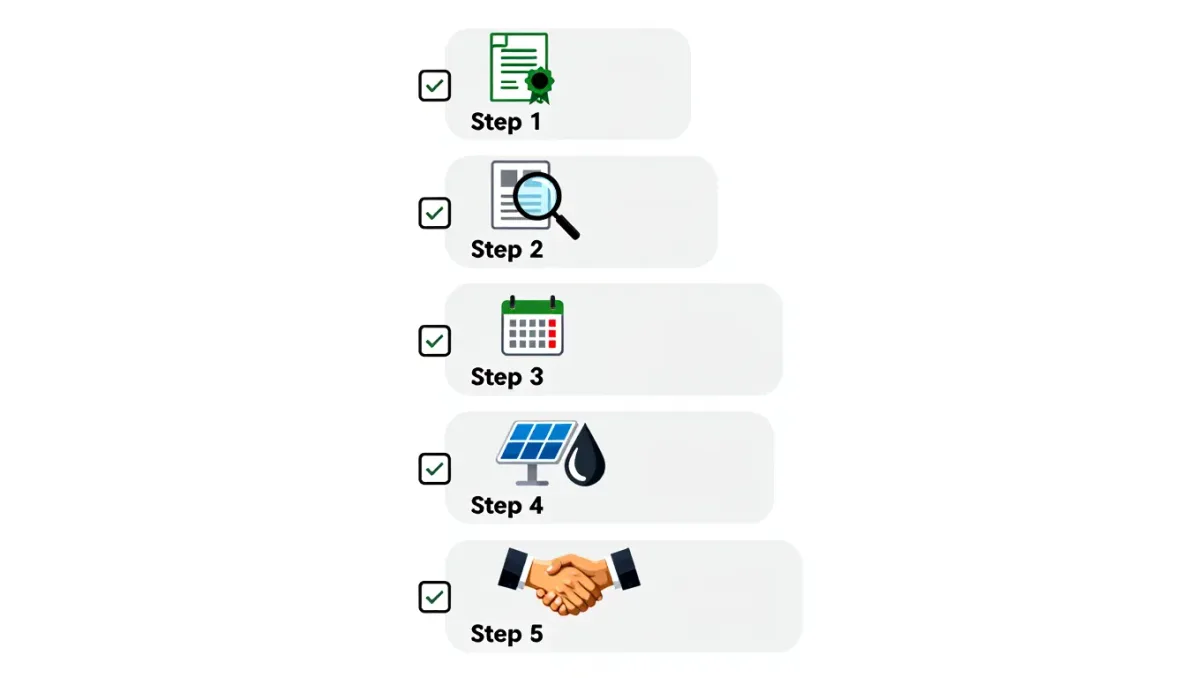
Booking page first: look past the imagery for a named certification, an expiry, and at least one operational number. Certifier second: find the property on the certifier's public registry. Questions third: send the five above. If a lodge clears all three steps, you have found the real thing — and your booking dollars, pointed at properties that can prove their practices, do more for the places you hike and paddle than any adjective ever printed on a robe.