
Water Quality Flags at Swimming Holes: What They Mean and When to Check
Water quality flags and postings mean sampled bacteria exceeded the standard a health agency applies, and advisories often follow heavy rain.
Reporting on the environmental cost of getting outdoors and the operators who reduce it. Coverage includes emissions per journey, visitor caps, habitat damage on popular trails, offsetting schemes worth the money, and greenwashed conservation marketing. For travelers who want the impact quantified before deciding whether a trip is defensible.
Environmental cost in numbers.
Water quality flags and postings mean sampled bacteria exceeded the standard a health agency applies, and advisories often follow heavy rain.

Too many visitors in too few places is reshaping cities, parks and villages. Here is what overtourism actually means, and how your trip choices change the math.

Certifications, water and energy metrics, and the booking questions that reveal real practice.
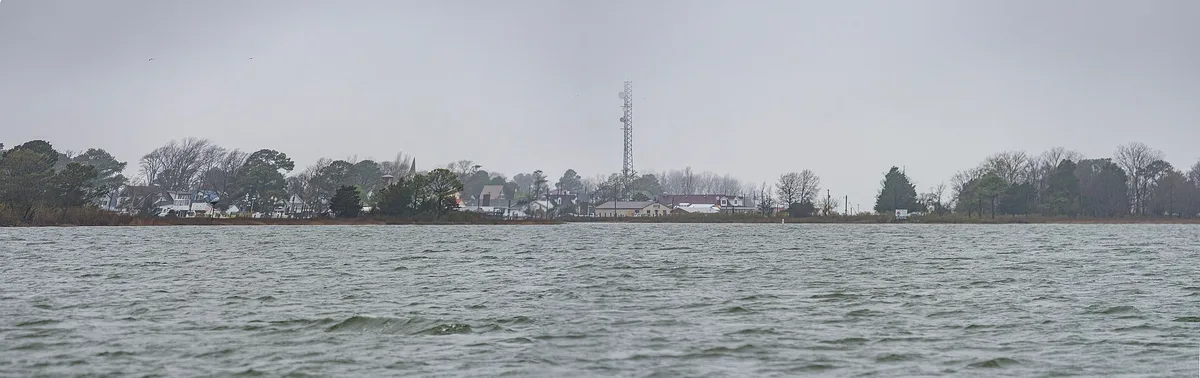
The word shows up on every tour brochure. Here is the definition that actually means something, and the questions that separate conservation-backed trips from greenwashed marketing.

Staying longer in one place cuts your trip's footprint and deepens what you actually experience.
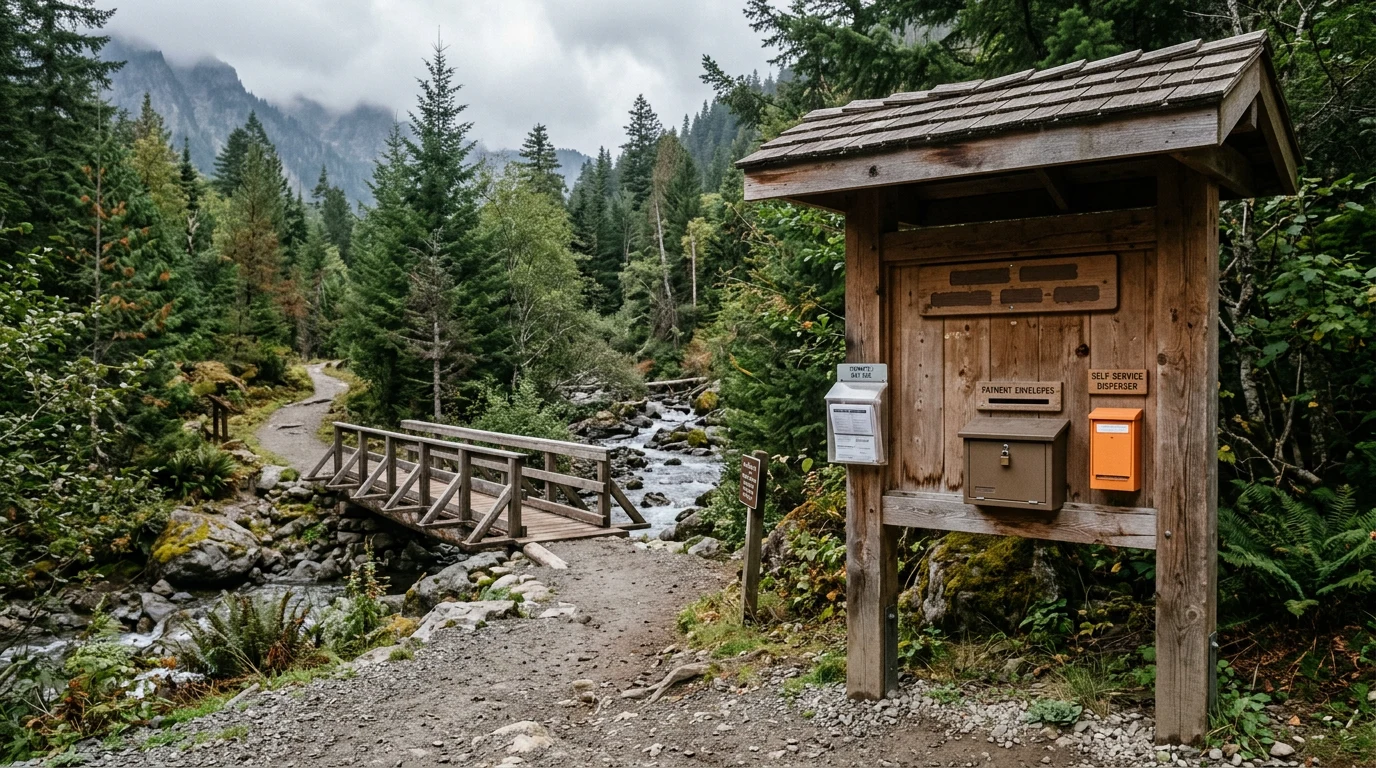
The exact depth, distance, and disposal rules behind Leave No Trace's waste principle, and why fragile terrain sometimes throws the standard cathole out the window.