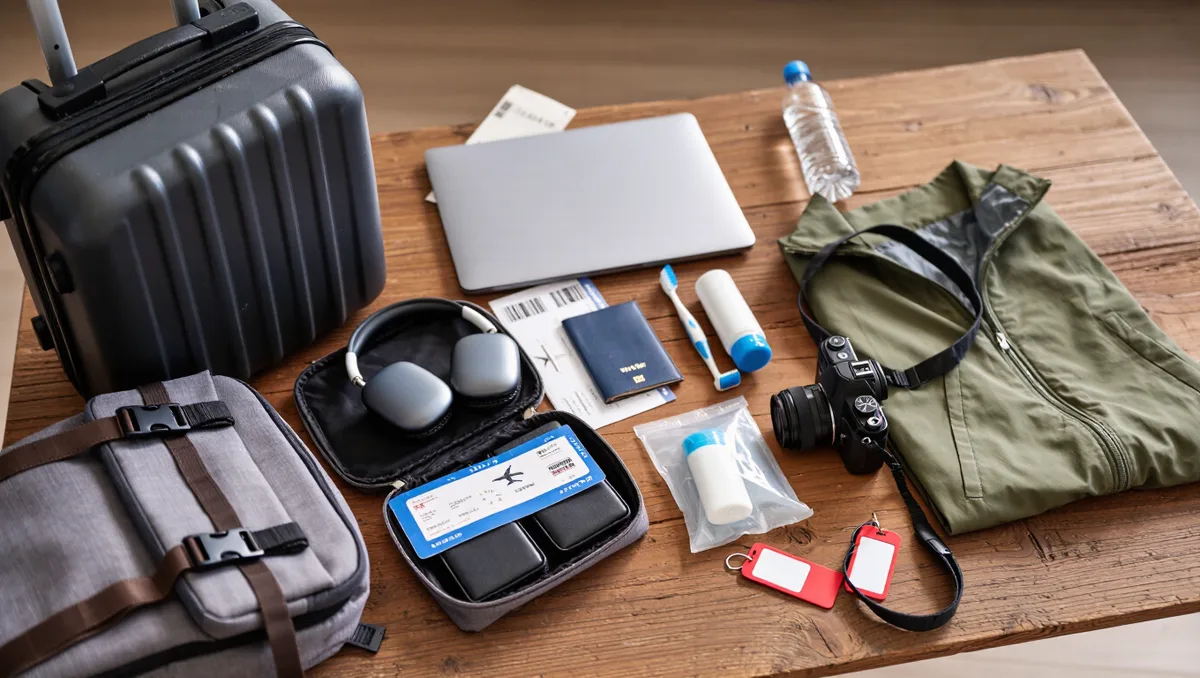
The trailhead is free. The flight to it usually is not. That gap is where points and miles earn their keep: a well-timed redemption can cover the long-haul leg of a trekking trip, leaving your budget for permits, shuttles, and the gear you actually need. The catch is that airline miles reward planning, not spontaneity — the best award seats go to travelers who book early and stay flexible.
This guide covers the fundamentals: how miles are earned and spent, when a redemption beats paying cash, and where adventure travelers most often get it wrong. No product pitches here — the mechanics matter more than any single card or program, and programs change their rules often enough that you should always confirm current terms before you book.
What are points and miles, really?
Loyalty currencies come in two broad flavors. Airline miles are earned by flying a carrier or its partners and redeemed for award tickets. Hotel points work the same way within a lodging chain. Then there are transferable bank points, which sit in a middle position: you earn them through a credit card's spending program and move them to a partner airline or hotel when you are ready to book.
If you want a plain-language anchor for the whole exercise, it is right there in the dictionary. Merriam-Webster defines the verb "use" as "to put into action or service" — and that is the discipline this guide argues for. Miles that sit in an account for years are not a strategy; they are a balance that quietly loses value as programs devalue awards over time.
How do you actually earn miles for a big adventure trip?
Most travelers earn through three channels, and the order matters less than the consistency:
- Flying. Credit flights to the program of the airline you fly or a partner. Long-haul economy and premium cabins earn far more than short hops.
- Everyday spending. A rewards credit card turns groceries, fuel, and recurring bills into a slow accumulation of points. This is how most people fund a trip they could never earn through flying alone.
- Partners. Hotels, car rentals, and dining programs often let you convert stays into airline miles. Small amounts, but they add up over a year.
The practical move is to pick one or two programs that serve the region you actually travel — an alliance that flies to your trekking destinations — and concentrate everything there. Spreading points across six programs is the most common way adventurers end up with balances too small to redeem anywhere.
When is a redemption worth it?
The rule of thumb is simple: compare the award price in miles against the cash fare, and value each mile as the cash price divided by the miles required. If the resulting value feels thin — if you would surrender a large balance for a ticket you could have bought cheaply — pay cash and keep the miles. Award pricing on many airlines now floats with the cash fare, so the same route can cost wildly different amounts of miles depending on the date.
Adventure trips have a structural advantage here. Flights to gateway cities for major trekking regions are often expensive in cash, especially in high season, which is exactly when award space is scarcest. Two honest strategies follow from that tension:
- Book the award early. Award seats in popular seasons open far in advance. If your trek dates are fixed by a permit — as they are for lottery-run routes like the one covered in our Half Dome permit guide — you can search awards the day the calendar opens.
- Or book the shoulder. Shift the flight a week or two outside peak season and both cash fares and award prices drop. If your route has a mud-season window, the same flexibility applies on the ground — see our guide to planning hikes around mud season.
Positioning flights matter too. Sometimes flying into a secondary gateway and finishing with a cheap ground transfer or a budget-carrier hop costs far fewer miles than a direct award to the famous hub. Build the whole door-to-trail cost before you commit.
What this means for your trip budget
Points change the shape of a trip budget, not just its size. When the long flight is covered, the money you would have spent moves to the categories that actually determine whether the trip happens: permits, insurance, shuttles, and food. Our breakdown of what a backpacking trip actually costs shows how those ground expenses stack up — and they are precisely the ones points cannot touch. We covered a connected angle in What a Backpacking Trip Actually Costs: A 5-Day Budget Breakdown.
Two cautions belong here. First, award tickets still incur taxes, fees, and sometimes carrier-imposed surcharges, which on some international routes can approach the price of a discounted cash fare. Always price the full out-of-pocket cost of an award before celebrating it. Second, award tickets can have different change and cancellation rules than cash tickets, and those rules vary by program. Read them before you book, not after your trek dates slip.
Insurance is the other half of the equation. A free flight is not free protection; check whether your policy covers the trip, and use our travel insurance checklist for adventure trips before you buy anything. Readers following this should also see Travel Insurance for Adventure Trips: The Checklist Before You Buy.
Common mistakes adventure travelers make with miles
- Hoarding. Balances lose value as programs devalue awards. Spend them on trips you will actually take.
- Ignoring partner redemptions. Sometimes the best award price on a route is booked through a partner airline's program, not the airline operating the flight.
- Booking the flight before the permit. A nonrefundable award for a trek you did not get a permit for is an expensive lesson. Sequence matters: permits and reservations first, flights second — the same logic as our guide to campground reservation windows.
- Forgetting the ground game. Miles rarely cover the shuttle, the bus, or the rental car. Our guide to planning a hiking trip without a car shows how to close that gap cheaply.
One more habit worth building: check the award calendar before you fix your dates. Shifting a departure by a single day can halve the miles required, and on a trekking trip a day rarely matters to the trail itself.
The takeaway
Points and miles are a planning tool, not a windfall. Earn them consistently in one or two programs, redeem them early against genuinely expensive flights, and never let an award booking outrun your permits and insurance. Do that, and the loyalty balance becomes what it should be: the cheapest part of getting to the trailhead. Conditions change — award charts, surcharges, and program rules especially — so verify current terms with the airline or program before you book.