How to Spot Greenwashing in Eco-Lodges and Hotel Certifications
A leaf logo costs nothing; an audited certification costs evidence — five checks tell an authentic eco-lodge from a marketing page.
Reporting on the environmental cost of getting outdoors and the operators who reduce it. Coverage includes emissions per journey, visitor caps, habitat damage on popular trails, offsetting schemes worth the money, and greenwashed conservation marketing. For travelers who want the impact quantified before deciding whether a trip is defensible.
Environmental cost in numbers.
A leaf logo costs nothing; an audited certification costs evidence — five checks tell an authentic eco-lodge from a marketing page.
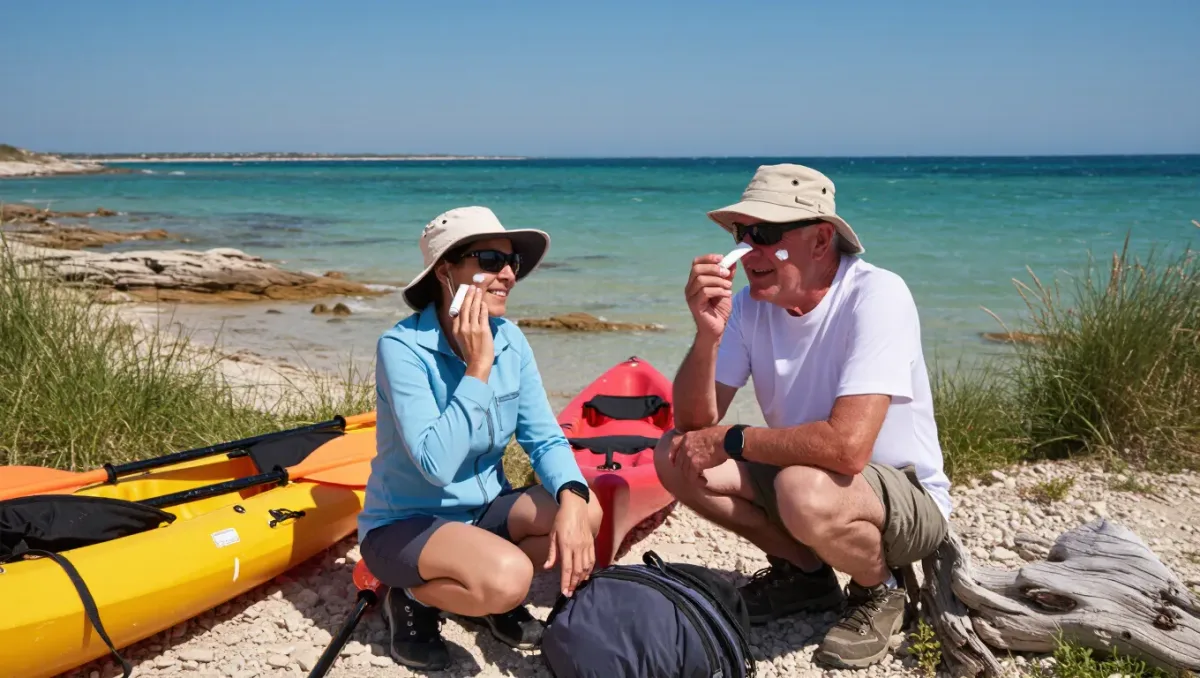
Hawaii has banned oxybenzone and octinoxate sunscreens since 2021 — here is what the science, the laws, and the label tricks mean for your next waterside trip.

Agency-backed volunteer programs put you on crew for a day or a week — fed, trained, and camping in places ordinary hikers never see from the inside.

Seeds and pathogens ride mud in boot treads for hundreds of miles — a two-minute brush-down at the trailhead is the cheapest invasive-species defense in hiking.

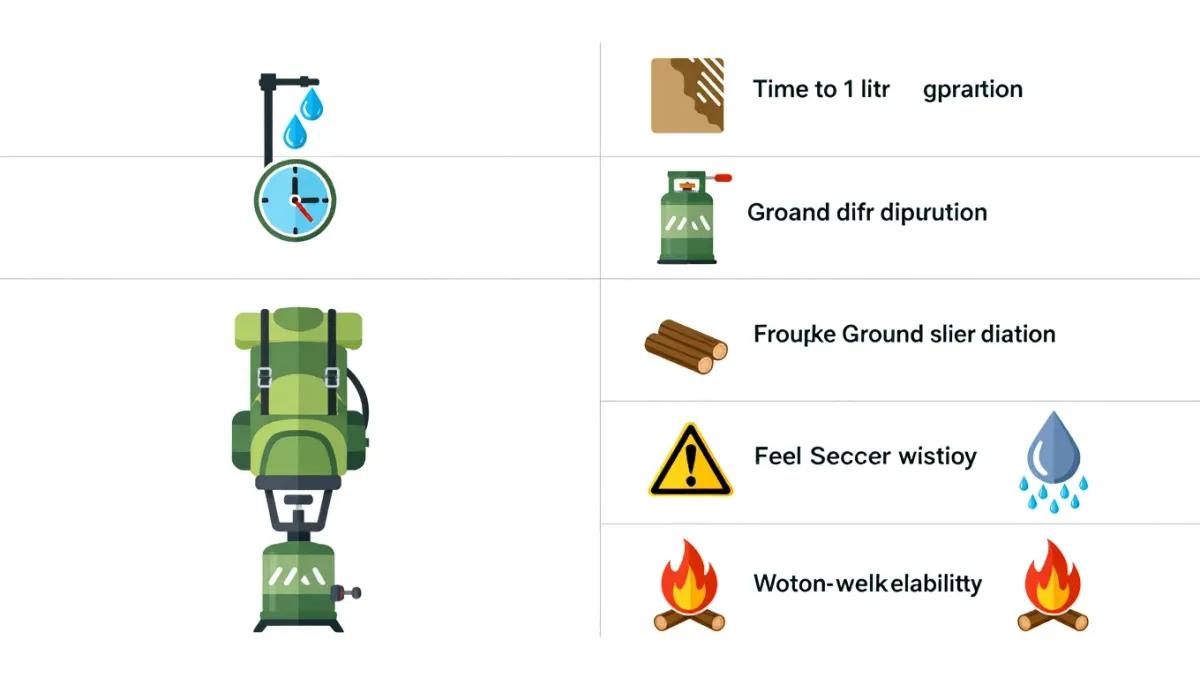
A stove boils water with zero trace in three minutes; a campfire consumes deadwood habitat, scars soil for years, and starts most backcountry wildfires.
Five checks — permits, guide ratios, group size, wildlife rules, and local hiring — separate genuinely responsible outfitters from good marketing.