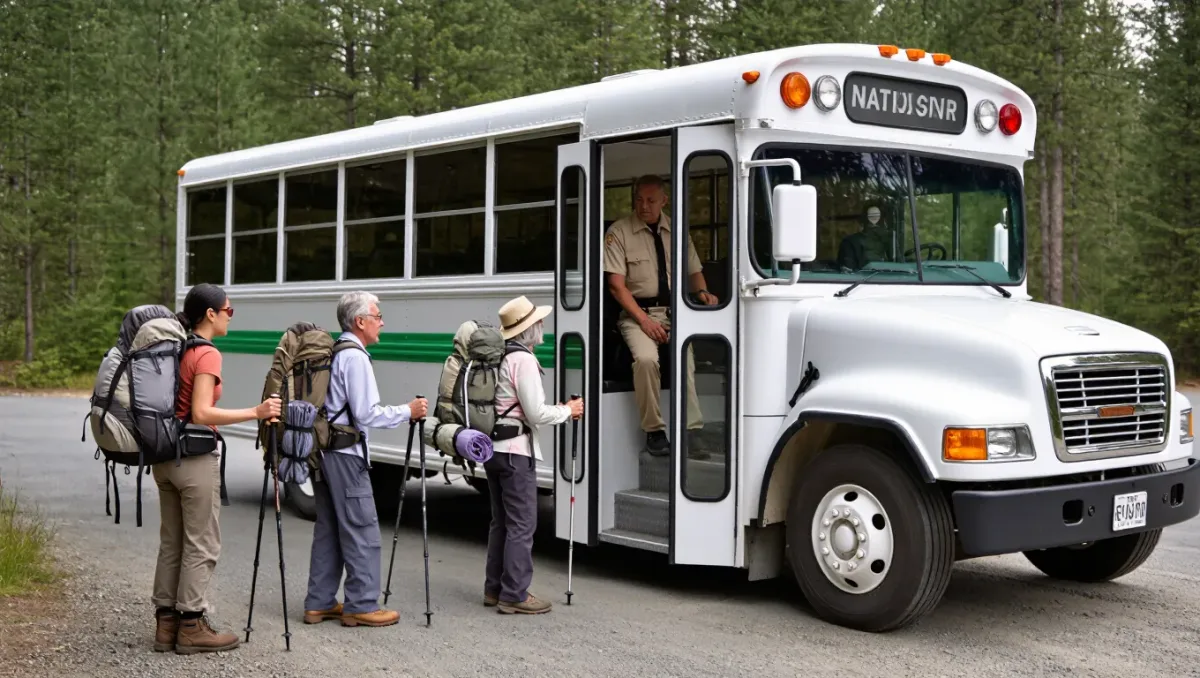
How to Plan a Hiking Trip Without a Car: Transit, Shuttles, and Timing
Trains, intercity buses, and park shuttles reach a surprising number of trailheads — the car-free formula is corridor first, schedule second, luggage third.
The logistics an active trip depends on: permit deadlines and lotteries, insurance clauses covering altitude and helicopter rescue, acclimatization timing, training blocks, budgets and packing lists. Everything is arranged as a countdown from departure. For anyone holding a date and unsure what has to be settled first.
Permit lotteries, insurance covering altitude and rescue, acclimatization schedules.
Trains, intercity buses, and park shuttles reach a surprising number of trailheads — the car-free formula is corridor first, schedule second, luggage third.
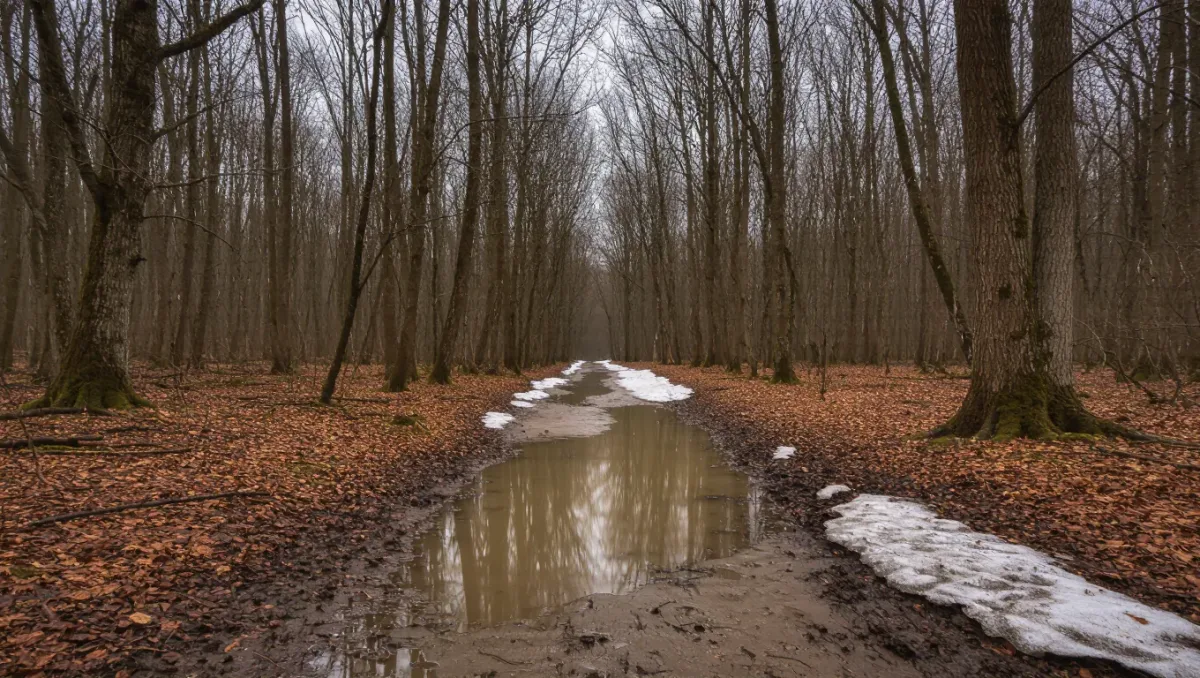
March through May, high-use trails thaw into mud that kills trail beds in a dozen passes — the planning fix is elevation math, south-facing routes, and knowing which trails close.
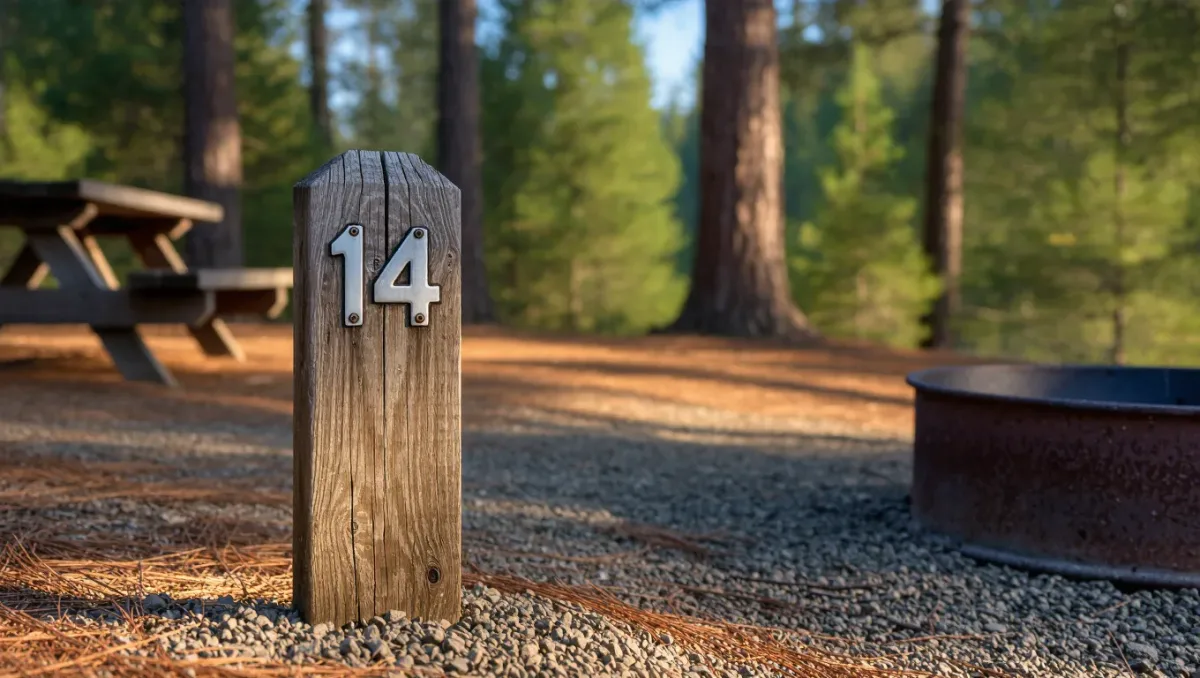
Most federal campgrounds open reservations six months to the day at 10 a.m. Eastern — a few flagship parks use different windows, and the calendar math decides who gets the site.
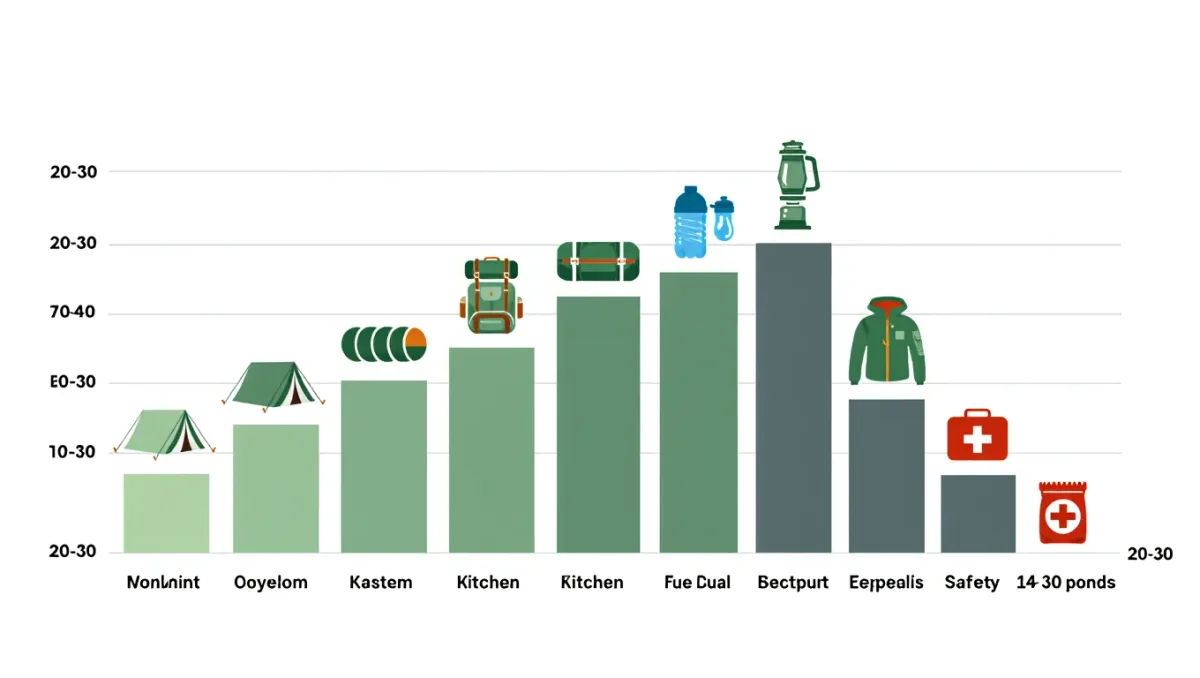
A three-season overnight kit weighs 20 to 30 pounds with food and water — here is the checklist that gets a first-timer there without the junk.
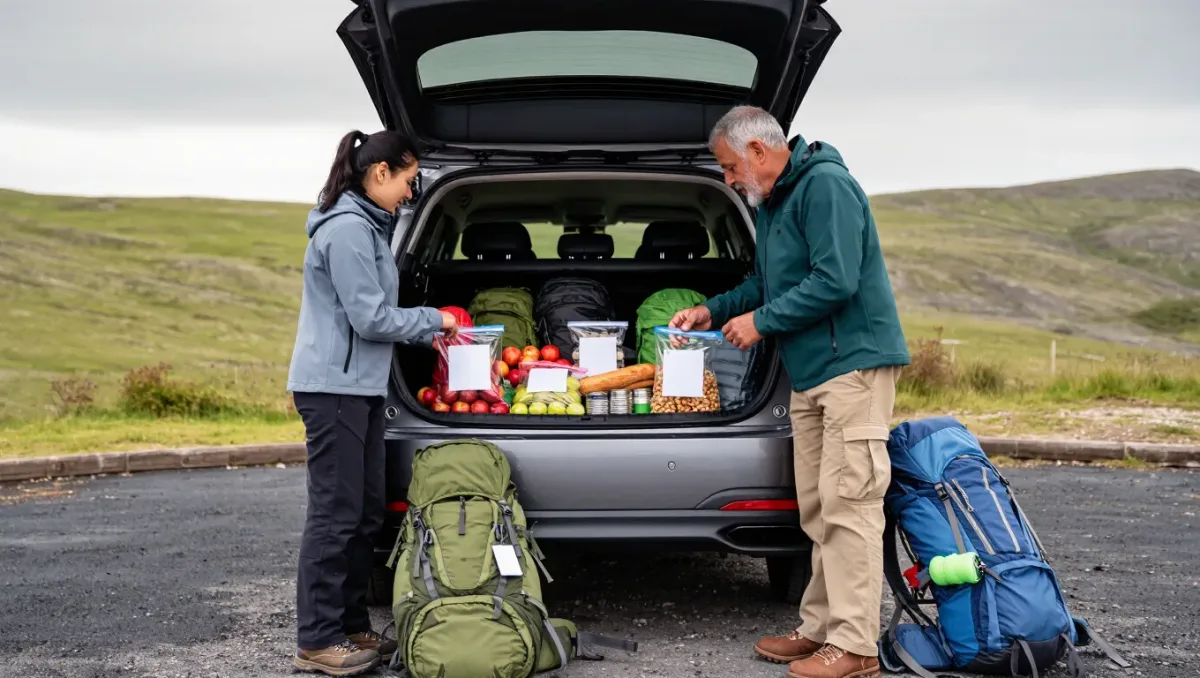
Permits, campsites, food, fuel, and the drive — a realistic five-day backcountry trip runs about $60 to $130 per person once gear is already owned.