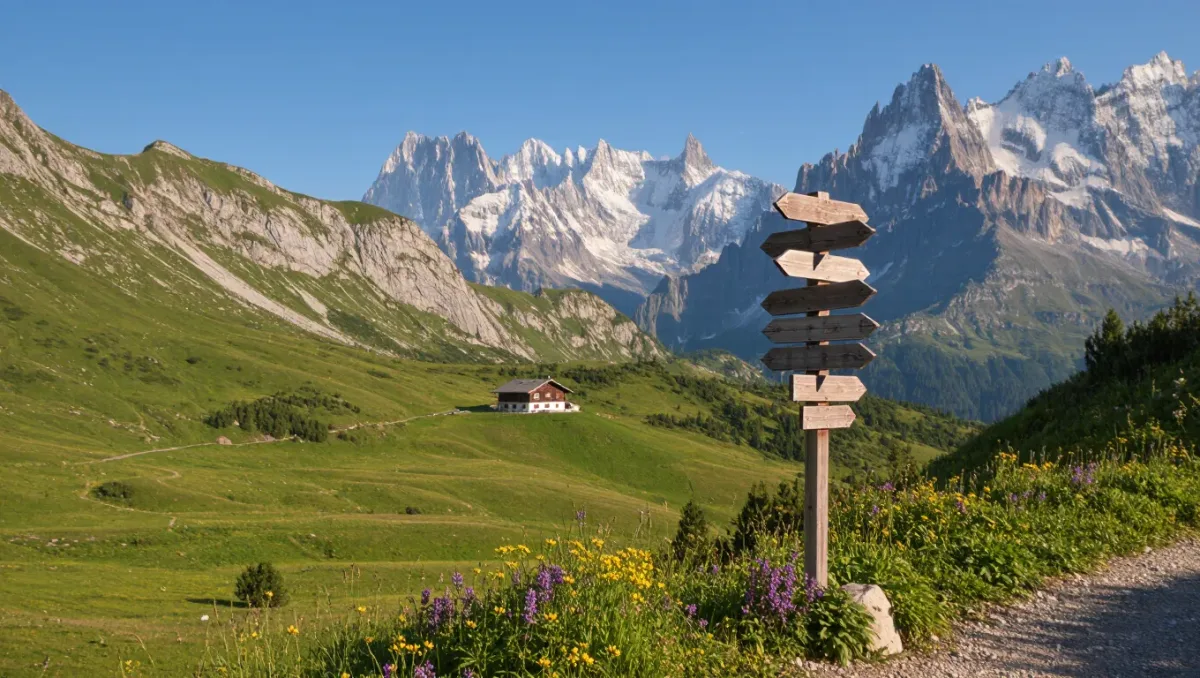
How to Plan a Hiking Trip Abroad: Documents, Permits, and Logistics
Passport validity, hut bookings, insurance proof, and the seasonal window — the international hiking checklist that keeps a foreign trek from unraveling at the border.
Permit lotteries, insurance covering altitude and rescue, acclimatization schedules.
Passport validity, hut bookings, insurance proof, and the seasonal window — the international hiking checklist that keeps a foreign trek from unraveling at the border.

Map every source, verify the season's reliability, and carry the carry-capacity the driest gap demands — the three-step method that ends water anxiety.
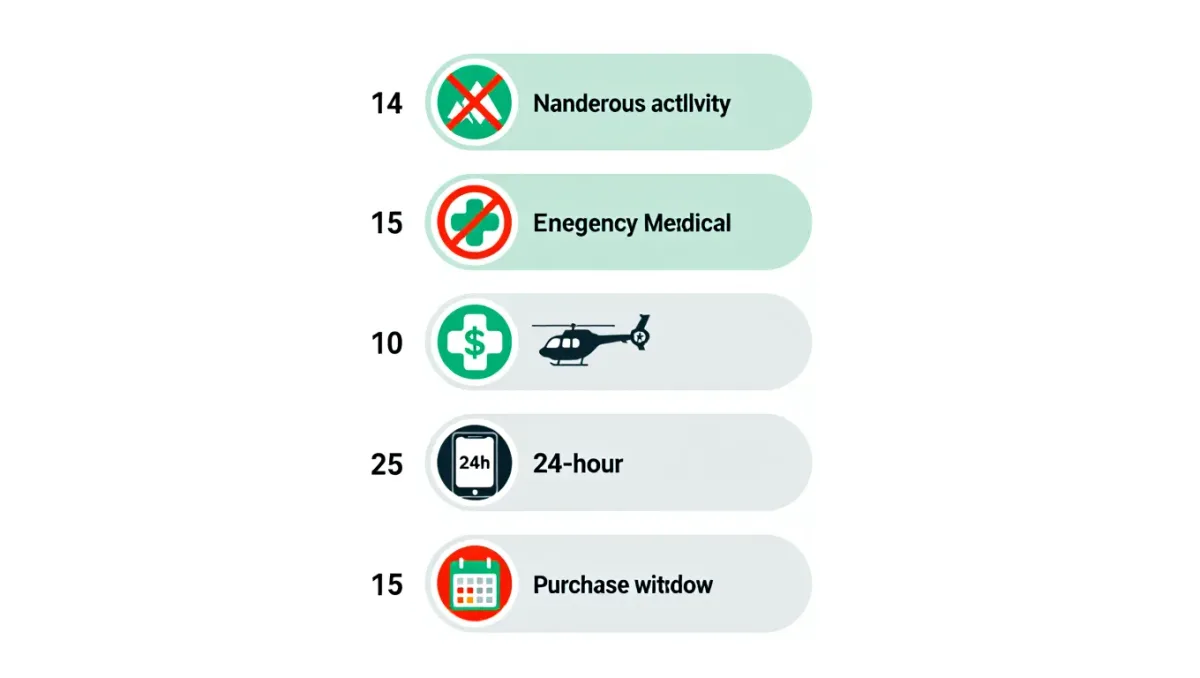
Heli-skiing, class IV rivers, and above-treeline ridges are excluded from most standard travel policies — five checks decide whether a policy actually covers your trip.
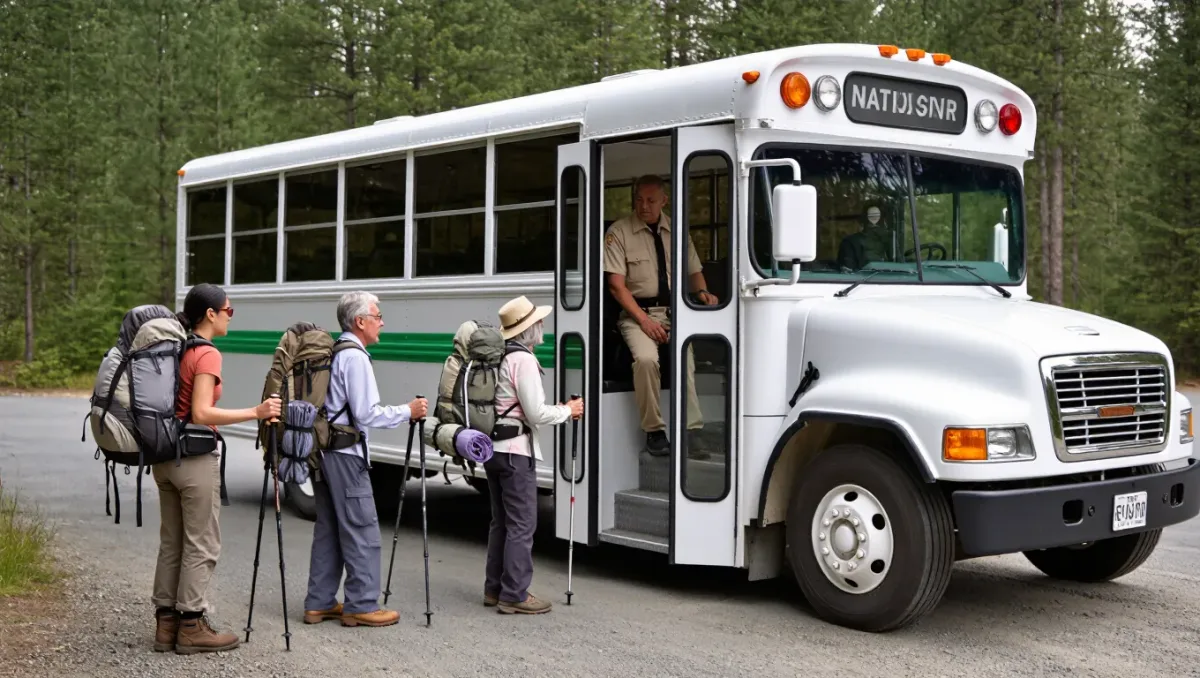
Trains, intercity buses, and park shuttles reach a surprising number of trailheads — the car-free formula is corridor first, schedule second, luggage third.
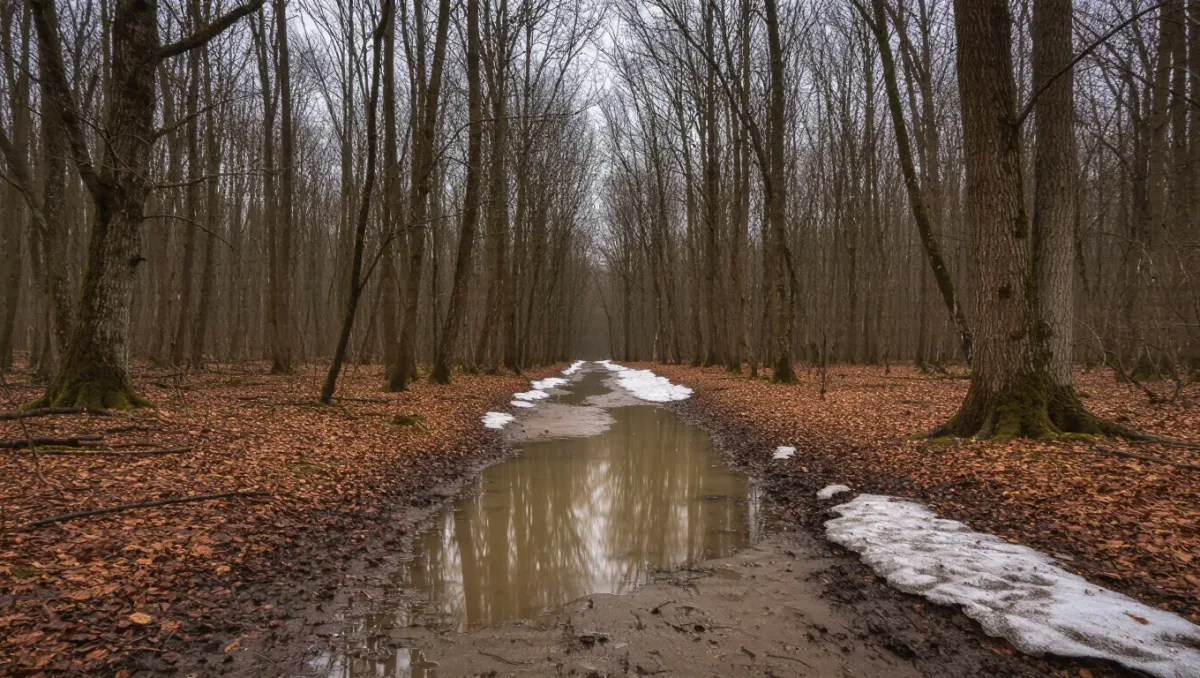
March through May, high-use trails thaw into mud that kills trail beds in a dozen passes — the planning fix is elevation math, south-facing routes, and knowing which trails close.
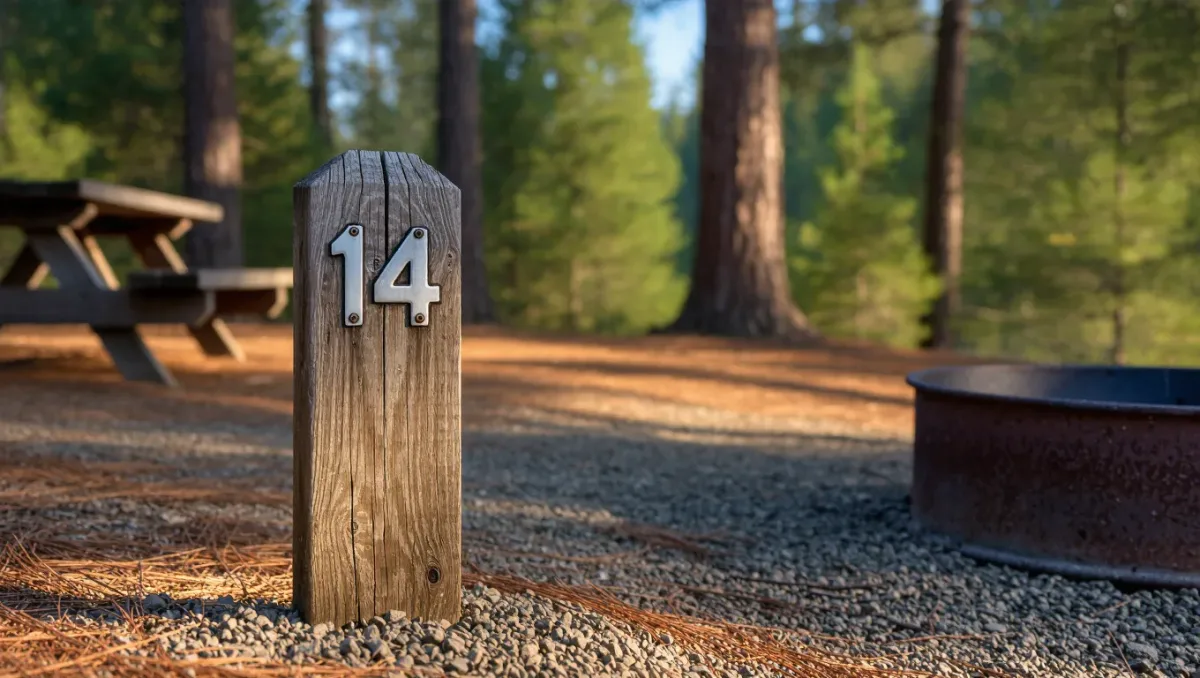
Most federal campgrounds open reservations six months to the day at 10 a.m. Eastern — a few flagship parks use different windows, and the calendar math decides who gets the site.