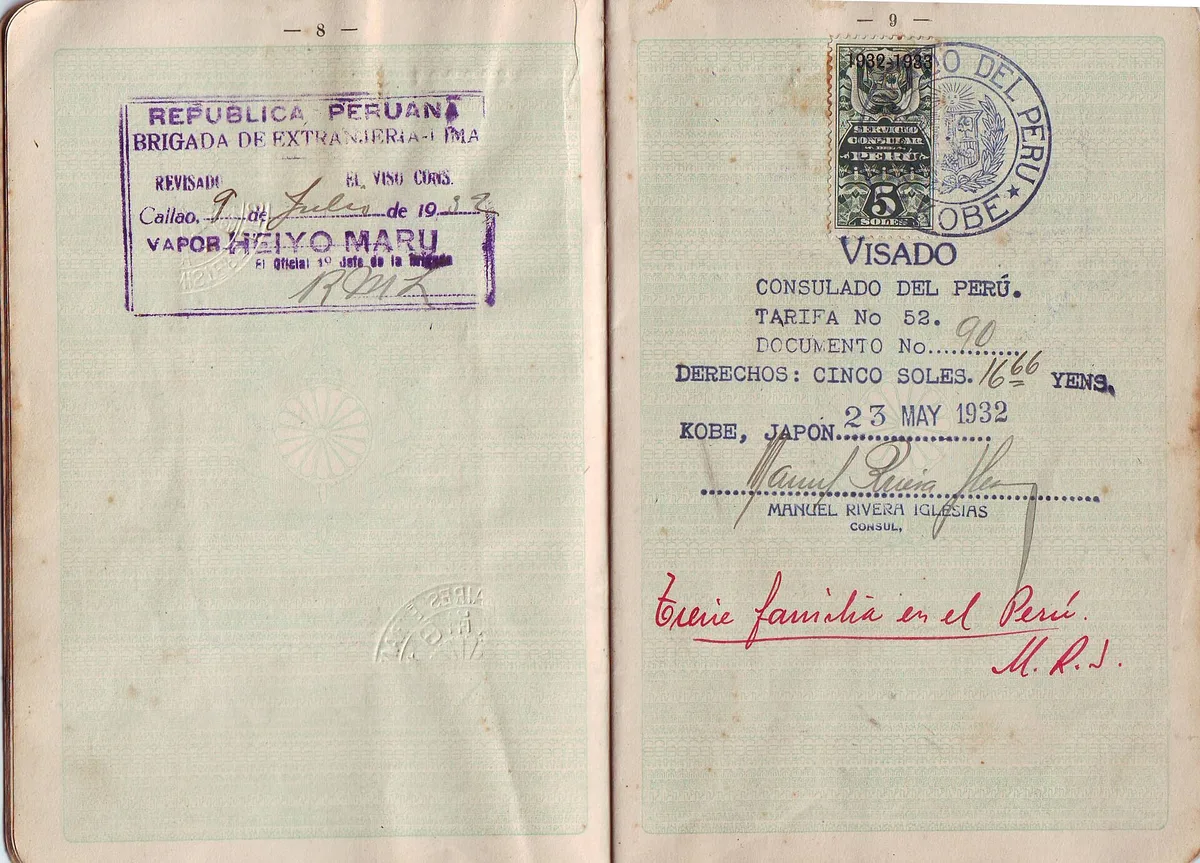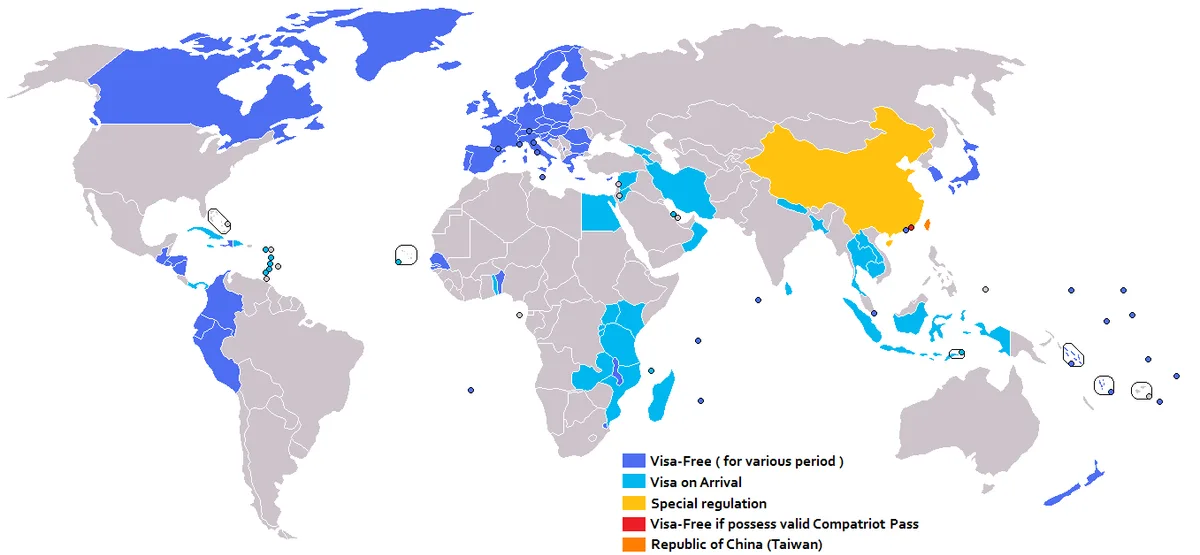
The short version: more countries that once let you simply show up now want a digital authorization first, and the application usually takes minutes online. The catch is that rules shift often, and the shift can happen between the time you book and the time you fly. Before any international trip, check the official entry rules for your nationality on the destination government's own site.
This is a standing guide to how these systems work. We will not list every country's current rules here, because those change and a list goes stale fast. Instead, you'll learn the difference between a visa waiver, an electronic travel authorization, and an e-visa, plus a routine for checking your own situation before you book. For broader trip-planning help, our planning section covers the rest of the pre-departure checklist.
What is the difference between visa-free, an ETA, and an e-visa?
Visa-free travel means you enter with a passport and nothing else, though a border officer can still ask about your plans and your return ticket. It is the simplest arrangement, and it is never guaranteed, only granted at the border.
An electronic travel authorization, or ETA, is a pre-clearance form. You fill it out online, pay a small fee, and get approval linked to your passport, usually within days or faster. It is not a visa. It does not promise entry, but airlines will typically refuse boarding without one. The model started with a few countries and has been spreading, which is the main change travelers have faced in recent years. We covered a connected angle in August 2026 Is Loaded for Park Trips: Fee-Free Days and a Moved Park Week.
An e-visa is a fuller application. You submit personal details, travel plans, and sometimes supporting documents, then wait for approval that can take days to weeks. Unlike an ETA, an e-visa can be refused, so build in lead time.
Why are so many countries adding digital entry requirements?
Governments use these systems for screening, fee collection, and faster border processing. For travelers, the practical effect is a new step between booking and boarding. A destination that was visa-free on your last trip may now require an online authorization, and the fee is usually collected at the same time. For related coverage, see The 2026 National Park Fee-Free Days: Ten Dates, New Fine Print.
The trend runs in both directions. Some countries simplify by moving paper visas online. Others tighten by adding authorizations where none existed. Either way, the change rarely makes headlines in your home country, which is why checking close to your booking date matters more than it used to.
How do you check the current rules for your trip?
Start with the destination government's official immigration or tourism site, not a third-party aggregator. Search for the country name plus "entry requirements" and look for a domain ending in that country's government suffix. Read the rules for your specific passport, because requirements differ by nationality.
Then work through this sequence:
- Confirm whether your nationality needs a visa, an ETA, or neither for your planned length of stay.
- If an authorization is required, apply only through the official portal. The fee is printed there. Unofficial sites charge large markups for the same form.
- Note the processing time and apply well before departure, not the night before.
- Check that your passport meets validity rules. Many countries require several months of validity beyond your travel dates.
- Screenshot or print the approval and carry it with your passport.
Conditions change, and entry rules change with them. Re-check the official source within a week of departure, even if you already applied.
What this means for your money and your cards
Digital entry systems are one layer. The other practical shift is that nearly everything, from authorization fees to border taxes, now runs on your card. Two habits help. First, tell your bank you are traveling, so a foreign charge does not trigger a fraud block. Second, know who actually services your account.
According to Visa Consumer Support, Visa does not set up, service, or have access to cardholder or merchant accounts, because that is done through the client financial institutions, the banks that issue the cards. In plain terms: if your card is declined abroad or you need a travel notification, your bank is the one to call, not the card network. The same support page lists toll-free numbers by country and a collect number for places not listed, which is worth saving before a remote trip.
On the network's own consumer site, Visa positions its payment tools and card benefits around access and security, which reflects the broader shift toward paying your way digitally across borders. What the company's pages do not establish is anything about entry rules themselves, so treat card benefits and visa requirements as separate checklists.
Common mistakes that strand travelers
These are the failure points we see most often in reader questions, and each is avoidable with the routine above.
- Applying through a lookalike site that charges several times the official fee, or worse, never submits the form at all.
- Assuming an approved authorization guarantees entry. It does not. The final call belongs to the border officer.
- Booking a flight before checking whether the passport meets validity requirements.
- Confusing transit rules with entry rules. Some countries require an authorization even if you never leave the airport.
- Letting a passport expire mid-trip planning. Renew first, then apply for authorizations, since approvals are tied to the passport number.
None of these involve dangerous terrain, but they end trips just as effectively as a closed trailhead. The discipline is the same one we apply to travel news coverage of park reservations and entry fees: check the managing authority directly, note the date you checked, and re-check before you go.
The takeaway: build the check into your booking routine
The spread of ETAs and e-visas is not a reason to travel less. It is a reason to add one step to your routine. Passport, authorization, bank notification, official confirmation, in that order, before money changes hands on flights or lodging. If you are planning a park-heavy itinerary after an international flight, our guide to visiting a US national park as a nonresident covers the entry-side rules that apply once you land.
What remains unknown is where the next authorization will appear, because governments announce these on their own schedules. That is exactly why this guide stands rather than a country-by-country list: the method survives the changes, and the official portal always has the current answer.