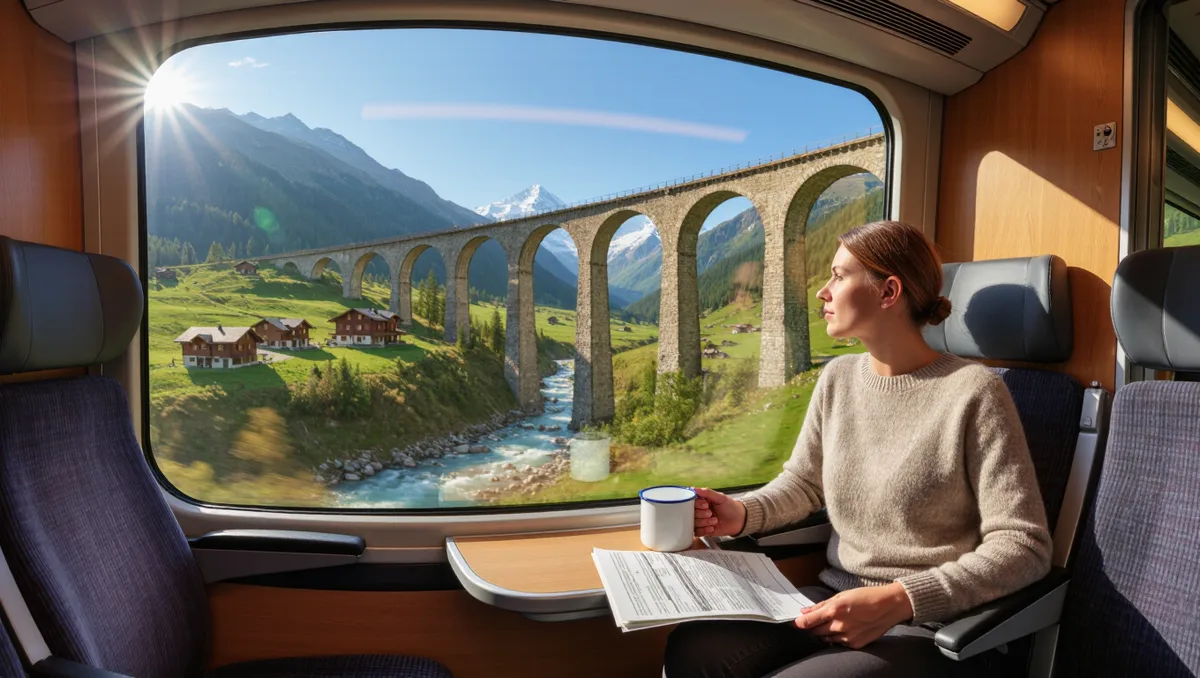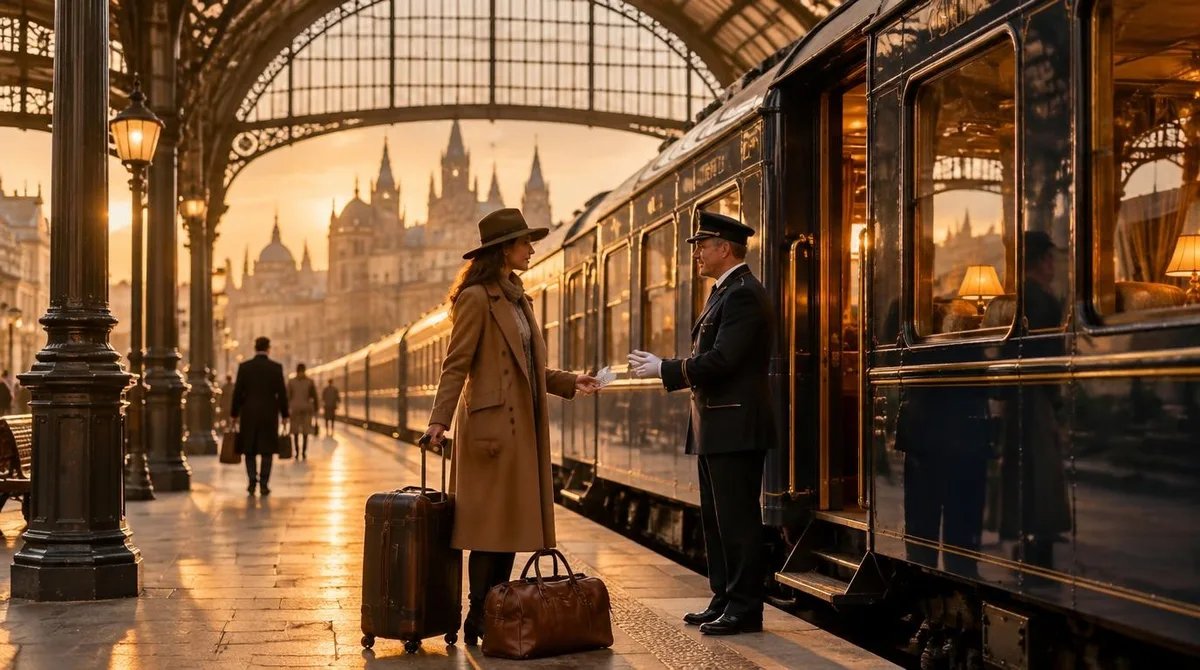
Long-distance rail is expanding again, and the revival is real: after decades of losing passengers to cars and planes, Wikipedia's overview of rail transport notes that rail has seen a revival in recent decades, driven by road congestion, rising fuel prices, and governments investing in trains to cut CO2 emissions. For travelers, that means more overnight and cross-border options to plan around — and a few new habits to learn, because booking a sleeper is not the same as booking a flight.
The most important qualification: expansion is uneven. Some corridors have new or restored services; others still run the same sparse timetables they did ten years ago. Before you build a trip around a route, check the operator's own booking page for the current schedule, and treat any route list you read — including this one — as a starting point, not a promise. For related coverage, see The 2026 National Park Fee-Free Days: Ten Dates, New Fine Print.
Why are sleeper and cross-border trains coming back?
Three forces are pushing the same direction. The first is cost: rail moves people with far less energy per passenger than road or air, which matters more as fuel prices climb. The second is congestion — highways and airports near major cities are full, and adding capacity there is slow and expensive while adding a train service often is not. The third is policy. Governments now treat rail as a tool for reducing emissions, and public money follows.
According to Wikipedia's rail transport entry, rail carries about 8% of passenger and freight transport globally, and its energy efficiency is one of the reasons cited for renewed investment. Efficiency alone doesn't sell tickets, but it gives governments a reason to fund the track upgrades and rolling stock that make a comfortable overnight journey possible. That's the behind-the-scenes story: the routes travelers are noticing are downstream of infrastructure decisions made years earlier.
There's also a demand-side shift. City-center-to-city-center travel, no baggage fees, no middle seats, and a bed instead of an airport hotel all appeal to the same travelers who plan active, low-impact trips. Rail fits the way this audience already travels. This connects to our earlier piece, Visa Free Travel Changes — Visa-Free and e-Visa Programs: What's New for Travelers.
What do the new routes actually look like?
The expansion shows up in three shapes, and each one affects planning differently.
- Restored sleeper services. Overnight trains that were cut in the 1990s and 2000s are being brought back on some corridors, often with modern sleeping cars rather than the old couchettes. These sell out first and cost the most, so book early.
- Cross-border day services. High-speed lines now connect many cities across Europe, per the same rail transport overview, which shortens what used to be two-train, all-day journeys into single-seat rides. These are the easiest for first-time rail travelers.
- Night-network fill-ins. Operators are linking existing daytime networks with connecting overnight legs, so a trip that once required a hotel stop can sometimes be done on the train instead.
What the public reporting does not establish is a definitive, current list of every new service. Timetables change twice a year in Europe, and operators announce routes on their own sites first. Check there before you commit.
How is this different from booking a flight?
Sleeper and long-distance rail has its own logistics, and the differences catch people out.
Start with booking windows. Many operators open sales a few months ahead, and the cheapest sleeper compartments go first. If you plan an active trip — a hiking week, a cycling tour — book the train before you book the trailhead accommodation, not after. Our analysis of how travelers actually get burned: they lock in the hut or the campsite, then find the overnight leg sold out and rebuild the whole itinerary.
Then there's the station factor. Trains deliver you to the center of town, which changes what you can do on arrival day. A morning arrival means a full first day on the trail. An overnight train with a bunk means you skip a hotel night entirely — that's the math that makes sleeper fares easier to justify than they first appear.
Finally, luggage. Rail is generous compared with airlines, and the same is true on the American counterpart: Amtrak's own site spells out allowances of up to two checked bags, two carry-ons and a personal item. For travelers carrying hiking gear or a bike bag, that flexibility is a genuine planning advantage, not a nicety.
What this means for your next trip
Practical steps, in order:
- Decide whether the rail leg is the trip or the transfer. A scenic overnight is part of the experience; a functional daytime connection is just transport. Plan and budget accordingly.
- Check the operator's booking page for the route before anything else. Schedules and opening dates live there, not in travel articles.
- Book the constrained thing first — usually the sleeper compartment, sometimes the bike reservation. Day trains on busy corridors also sell out in peak season.
- Check cross-border paperwork separately. Border rules change, and we cover the current state of visa-free and e-visa programs for travelers as they move.
- Build slack. Rail is reliable when it runs, but a missed connection on a two-train journey costs hours, not minutes.
One more habit worth adopting: pair rail with the rest of your planning the way you'd pair a shuttle with a trail. If you're mapping a route that starts outside a city, look at how you reach the trailhead from the station before you book either. Our planning guides cover that connection problem in detail.
Is rail actually the greener choice?
Broadly, yes — with the caveat that the size of the advantage depends on the trip. The efficiency case is structural: steel wheels on steel rails encounter lower resistance than rubber on road, so trains move the same weight with less energy, and electrified lines shift emissions to the power grid rather than the vehicle. That's the engineering argument Wikipedia makes, and it's the reason governments cite when they fund new services.
For a traveler, the honest framing is this: choosing the train for a corridor where a good service exists is a low-effort climate win. Choosing it where the only option is a slow, multi-transfer detour may cost you a day of your trip, and the trade-off is yours to make. We'd rather you make it with clear eyes than guilt. If low-impact travel is your priority generally, our eco section covers the broader choices, and our travel news page tracks route and access changes as they're announced.
The bottom line
The rail revival is being built from the track up: congestion, fuel costs, and emissions policy are pushing governments to invest, and new sleeper and cross-border services are the visible result. For travelers, the opportunity is real but requires the old rail skills — early booking, checked timetables, and slack in the itinerary. Conditions and schedules change; check the operator before you go.