A guided expedition quote can look like one number, but it is really a bundle of smaller ones. Most reputable operators fold permits, park entry, group gear, meals on trip, and guide wages into the headline price. What they usually leave out are the personal items: your flights, your travel insurance, your tips, and sometimes the shuttle from the nearest airport.
The most important qualification is this: there is no industry-wide standard for what "all-inclusive" means on a guided trip. Two operators charging similar prices may cover different things. Before you compare a single figure, ask each operator for an itemized inclusions list. Merriam-Webster defines a guide simply as "one that leads or directs another's way," but on a commercial expedition the fee buys far more than navigation — logistics, safety systems, and often food and shelter. Knowing which of those you are paying for is the whole game. Readers following this should also see What to Know Before You Hike to Havasu Falls.
What does a guide fee typically include?
Most guided trip pricing bundles the core logistics of the route. That usually means permits and entrance fees for the land you will travel through, campsites or hut beds where the itinerary requires them, group safety gear, and meals while you are on the trip. Guide wages and certification costs sit behind all of that — a good operator prices its guides as professionals, and that shows up in the fee.
The details vary by trip type, so treat the list below as the common pattern rather than a promise. Always confirm against the operator's own written inclusions.
- Permits and land fees. On routes that require them — lottery permits, backcountry reservations, park entry — most operators secure these for the group and build the cost into the price.
- Group gear. Ropes, stoves, tarps, first-aid kits, satellite communication, and often cooking equipment are shared costs spread across the group.
- Meals on trip. Typically from the first trail dinner to the final breakfast. Meals in town, before or after, are frequently excluded.
- Accommodation during the trip. Campsites, huts, or lodges named in the itinerary. Pre- and post-trip hotel nights are a classic gray area.
- Guide services. Wages, certifications, and usually the guide's own food and lodging, which you are not asked to cover separately.
What is usually left out of the headline price?
The exclusions matter more than the inclusions, because they are where two similar quotes diverge. The usual suspects: transport to the meeting point, personal gear, travel insurance, evacuation coverage, gratuities, and optional extras like porters or single supplements.
- Getting there. Flights, airport transfers, and sometimes the final shuttle to the trailhead are on you unless the itinerary says otherwise.
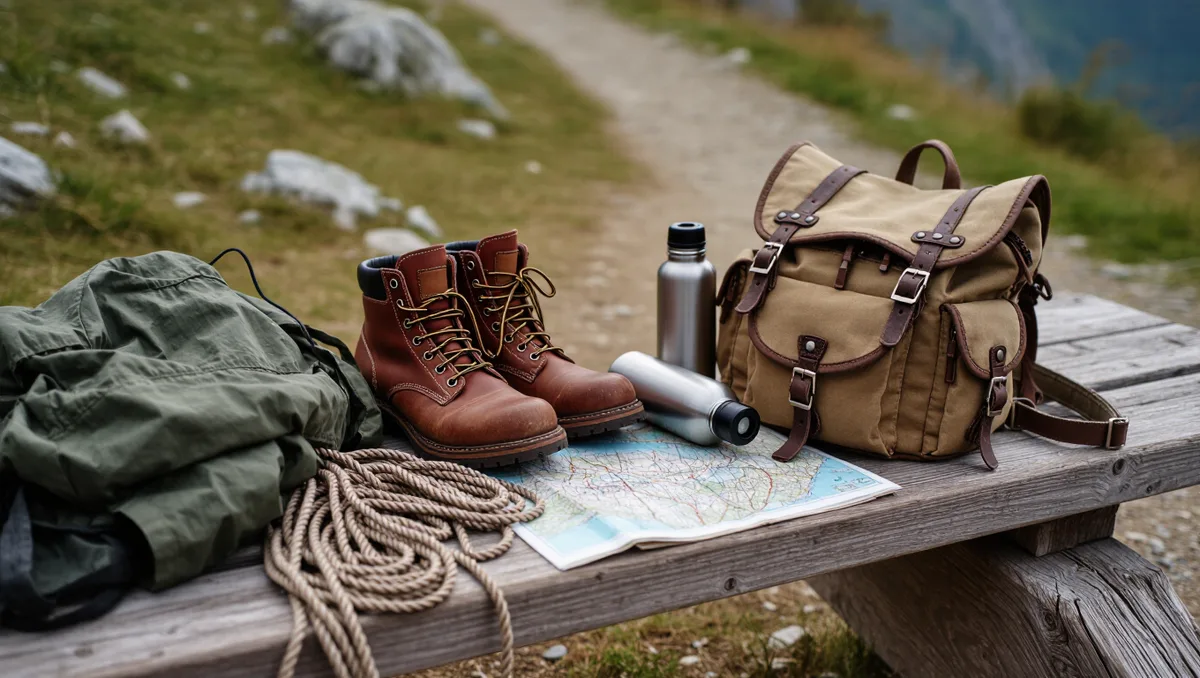
- Personal equipment. Boots, pack, sleeping bag, and clothing. Some operators rent items; some do not.
- Insurance. Most operators require you to carry your own travel insurance, and many require coverage that includes emergency evacuation. This is almost never included in the base fee.
- Gratuities. Tipping guides is customary on many trips, and the amount is rarely printed on the invoice. Operators who address it openly in their pre-trip materials are doing you a favor.
- Incidentals. Drinks, snacks in town, showers, wifi, souvenirs, and visa fees where a border crossing is involved.
Ask one direct question of every operator: "If I arrive at the meeting point with my personal gear, what else will I need to pay for before I'm back at the airport?" The answer, in writing, is the real price of the trip. This connects to our earlier piece, What to Know Before You Hike to The Wave in Coyote Buttes North.
How do permits and group gear change the price?
Some routes carry heavy fixed costs before a single client signs up. A permit that must be won by lottery, a hut booking made a year ahead, a concession fee paid to a land agency — these are sunk costs the operator spreads across a small group. On a trip with four clients and one guide, each traveler carries a larger share of the fixed costs than on a departure with ten.
This is why small-group trips cost more per person, and why the same route priced by two operators can differ sharply. Neither price is wrong. One operator may be running a lighter group with more guide attention; the other is amortizing logistics over more people. When you compare, check the group size and the guide-to-client ratio alongside the fee. A cheaper quote with twice the clients is not automatically a bargain.
Group gear works the same way. Technical trips — alpine climbs, glacier travel, whitewater — carry expensive shared equipment that needs regular replacement and inspection. That maintenance is part of what a professional fee funds. If an operator's price seems implausibly low for a technical route, the aging of the gear rack is a fair question to ask.
How do you compare two quotes fairly?
Put the quotes side by side and normalize them. Our analysis is simple: convert each quote to a true total cost by adding everything you will still have to buy, then compare like with like.
- Get each operator's written inclusions and exclusions list. Verbal assurances do not count.
- Add up what is excluded for you personally: flights, transfers, hotel nights, rental gear, insurance.
- Check the group size and guide ratio on each departure.
- Confirm the permit situation — who holds it, whether it is secured, and what happens if the agency changes the rules.
- Ask about the cancellation and refund policy, including what happens if the operator cancels for weather or low numbers.
- Ask how gratuities are handled, so you can budget them honestly.
Two quotes that land within ten or fifteen percent of each other after this exercise are probably comparable. A quote that looks dramatically cheaper almost always has something missing from the fine print.
What about tips and evacuation insurance?
Gratuities are the line item nobody budgets for and everybody ends up paying. On many guided trips, tipping the guide is an established norm, and operators generally expect it even when they do not say so. Because no universal figure exists, ask the operator what past clients typically do, and treat the answer as a planning number rather than an obligation. Budget it before you book, not on the last night.
Evacuation coverage is the other quiet gap. A rescue by helicopter or ground ambulance can cost far more than the trip itself, and standard travel policies do not always cover backcountry evacuation. Most operators require some form of it and will ask for proof before departure. Read what your policy actually covers — where the evacuation must start, what activities are excluded, and whether the insurer pays providers directly or reimburses you later. If you already hold a policy that fits your planned activities, you may not need a separate membership; if you do not, factor that cost into your comparison the same way you would a rental sleeping bag.
Conditions change, and so do operator policies. Reconfirm the inclusions list close to your departure date, and check the managing agency's current alerts for any route you are booking.
What this means for your booking
A guide fee is not a mystery; it is a bundle you can unpack. The operators worth booking are the ones who unpack it for you without being pressed — a clear inclusions list, honest exclusions, a stated group size, and a straight answer about tips and insurance. If an operator makes you assemble that picture yourself from three emails, that is information too.
Once you know what a fee covers, comparing quotes stops being guesswork. Ask for the itemized list, total the gaps, weigh the group size against the price, and book the trip that is honest about what you are buying. The mountains are the same either way; the difference is in the paperwork.