Bear canisters are legal requirements in a specific and growing list of US wildlands: the Sierra Nevada national parks and forests — Yosemite National Park, Sequoia and Kings Canyon National Parks, and Inyo National Forest among them — require approved bear-resistant food containers for backcountry overnight trips, and New York's Adirondack Forest Preserve requires them year-round in the Eastern High Peaks Zone, per the rules published by the National Park Service, the U.S. Forest Service, and the New York State Department of Environmental Conservation. The pattern behind the rules is the same everywhere: food-conditioned bears that raid hung bags keep getting rewarded until managers make canisters mandatory.
This guide maps where the requirements apply, what qualifies as a bear-resistant container, and how to pack and place one so the rule actually works. Food-storage rules are enforced — citations carry real fines — and they change, so verify current requirements with the managing agency for your exact route before every trip.
Where are bear canisters required?
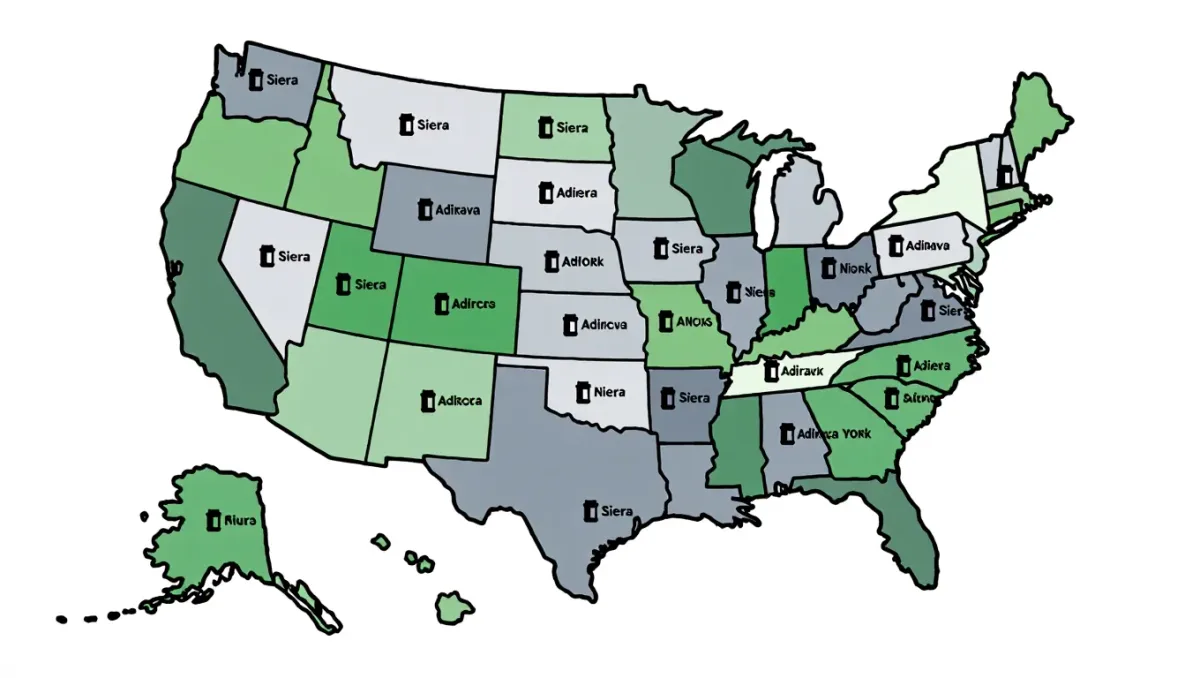
The short list covers the country's heaviest backcountry use. In the Sierra Nevada, Yosemite requires bear-resistant food storage for wilderness overnight trips, Sequoia and Kings Canyon require approved canisters for backcountry use, and Inyo National Forest requires them in the wilderness areas that host the John Muir Trail and Pacific Crest Trail corridors, per the agencies' published food-storage regulations. In the Adirondacks, New York State DEC regulation requires bear-resistant canisters year-round in the Eastern High Peaks Zone and seasonal or location-based rules elsewhere in the Forest Preserve, per DEC publications. Requirements also apply in parts of the Rocky Mountain and Southeastern wildlands — Glacier National Park's backcountry food-hanging rules and the Appalachian Trail's section-specific rules, for example — and the moving edge of the list grows as problem-bear areas upgrade their regulations.
| Area | Rule (per managing agency, as of 2025) | Who it binds |
|---|---|---|
| Yosemite NP wilderness | Bear-resistant container required overnight | All wilderness campers |
| Sequoia & Kings Canyon NP | Approved canister required in backcountry | All overnight users |
| Inyo National Forest wilderness | Canister required | Overnight visitors, JMT/PCT corridors |
| Adirondacks, Eastern High Peaks | Canister required year-round | All overnight users, all seasons |
| Other areas | Hanging rules or case-specific requirements | Check per area |
What counts as a bear-resistant container?
A hard-sided or soft-sided container tested and listed as bear-resistant — the certification standard the agencies recognize comes from the Interagency Grizzly Bear Committee's testing program, and land managers publish lists of approved models, per agency guidance. It also excludes most DIY solutions: the agencies that pioneered canister rules state plainly that hanging a bag does not meet the requirement where canisters are mandated, and improvised containers fail exactly the bears that learned to defeat hangs. Rental programs change the math for occasional hikers: Yosemite's wilderness centers and many Sierra outfitters rent certified canisters for roughly the cost of a campsite night, per park rental information, which is the cheap answer to a mandatory rule.
How do you actually use a canister?
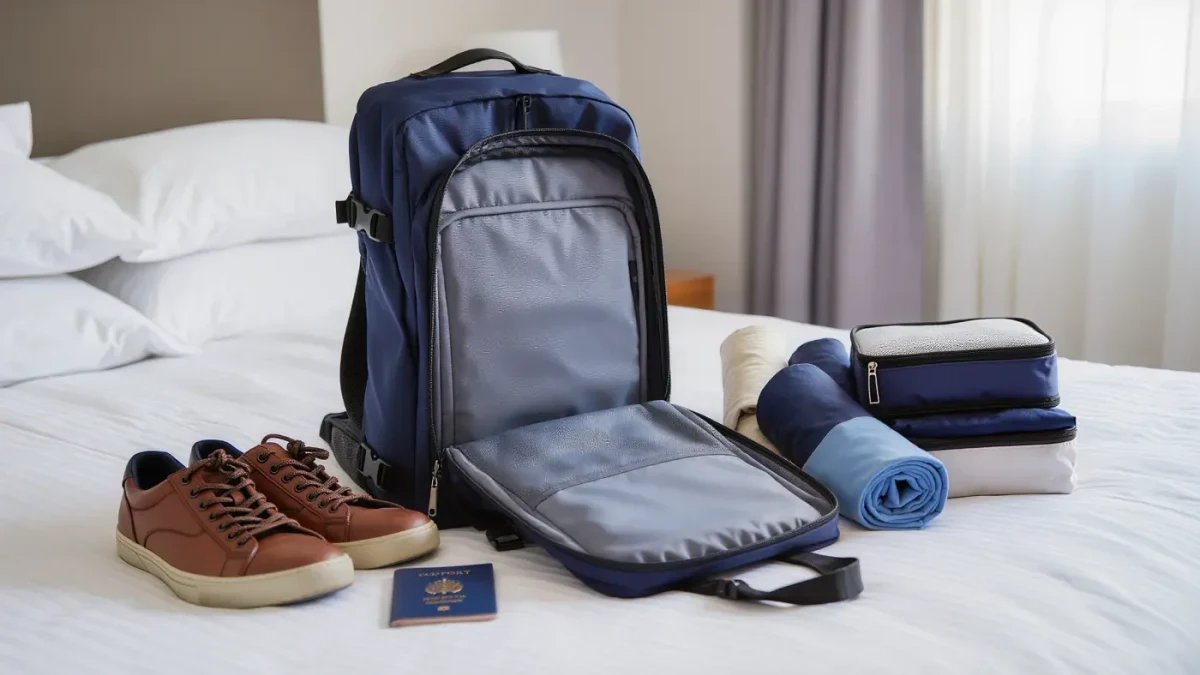
Pack it as a rigid core: dense, smellable items — food, trash, toiletries, and anything scented — go inside, and the manufacturers' packing guidance plus agency checklists converge on the same technique — repackaged food in flat layers fills a canister far better than original packaging. At camp, place the canister on the ground at least a hundred feet downwind of your cooking and sleeping area, out of sight where the guidance suggests, never near a lake edge, cliff, or stream where a curious bear could bat it away, and never inside the tent or under the rainfly. A canister in the tent is the mistake rangers cite most, because it teaches the bear that tents contain food.
Why did agencies stop trusting hangs?
Because bears outperformed the counterbalance. In high-use Sierra and Adirondack country, bears learned to knock hangs out of trees, chew the ropes, and work counterbalanced bags apart, and the agencies' own food-storage guidance documents this — a proper counterbalance hang is also genuinely hard to execute correctly with a loaded pack line. Canisters moved the arms race to hardware that bears have consistently failed to open, which is why the requirement maps so closely onto places with generations of food-conditioned bears. The behavioral payoff is documented in the agencies' rationale: when food storage succeeds, problem-bear incidents and the bear relocations and kills that follow them drop.
Food-storage rules are location-specific and revised periodically — check the managing agency's current food-storage page for your exact trail before you pack.
What are the consequences of ignoring the rule?
Two kinds, and the second matters more. Legally, citations under park and forest regulations carry fines, and rangers in canister-required areas do check — the agencies publish enforcement as a core part of the programs. Practically, an improperly stored meal in bear country creates the conditioned bear that forces the next rules, the next closures, and, too often, the destruction of the bear itself, which is the rationale every agency states in its food-storage guidance. The canister is the rare piece of mandated gear whose use is a direct act of wildlife protection.
Frequently asked questions
Do you need a bear canister in grizzly country?
Rules differ: many northern grizzly areas mandate proper food storage through hanging systems or approved containers depending on the site, per each agency's regulations, while some — such as parts of Alaska and northern Montana parks — specify their own requirements. Check the specific park or forest's food-storage page; the answer is site-specific, not regional.
Are Ursack-style soft containers legal where canisters are required?
Some soft-sided containers carry bear-resistant certification and are accepted in certain areas, per the agencies' approved-equipment lists — but acceptance varies by agency, and some jurisdictions list only hard-sided models. Verify your specific model against the managing agency's current list before relying on it.
Do you need a canister if you are only day hiking?
Generally no — canister requirements bind overnight users, per the regulations cited by the parks and DEC. Day users still must store food properly at trailheads and lunch stops, and never feed or leave food accessible to wildlife anywhere.